
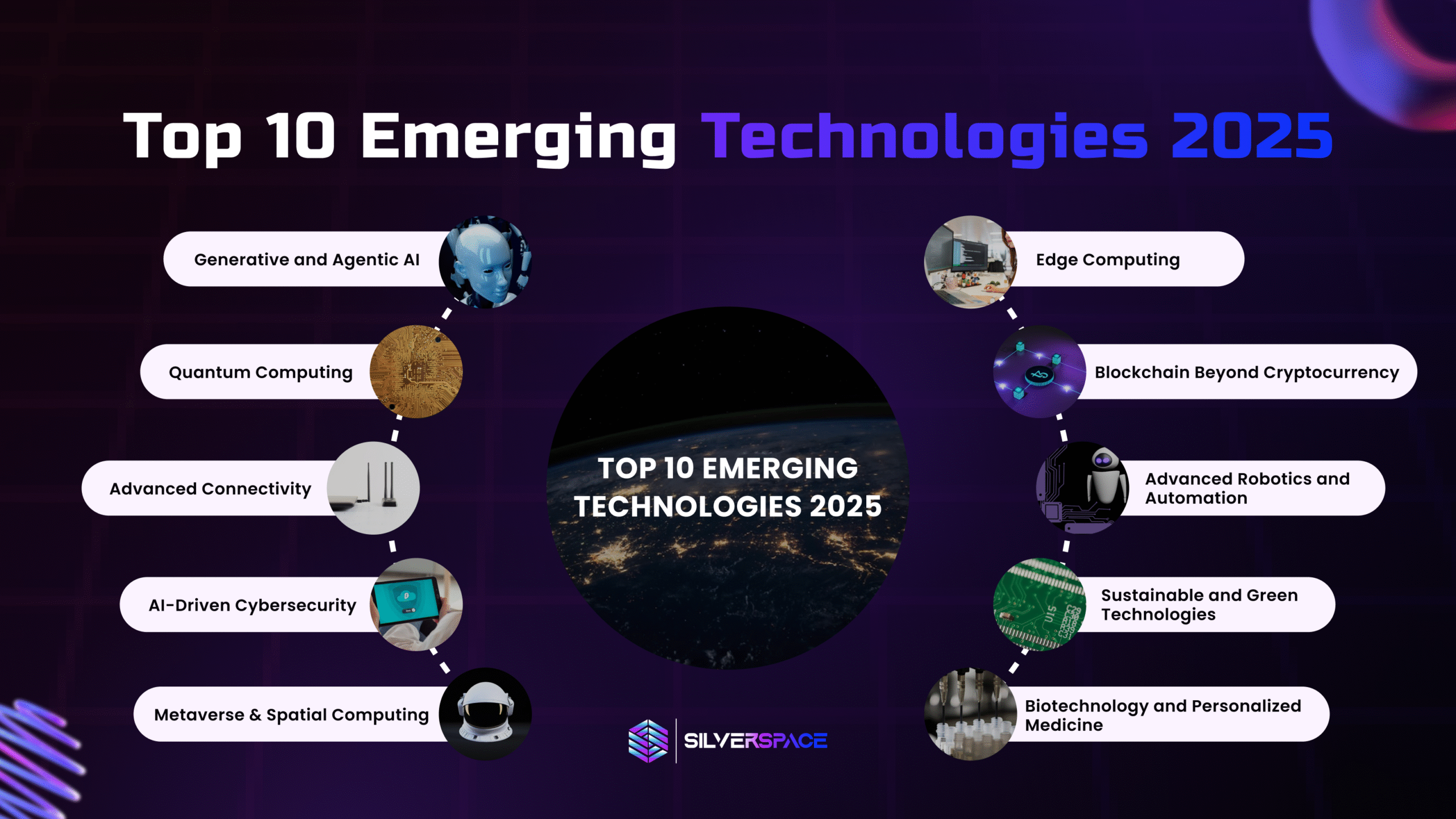
Understand why emerging technologies for users are crucial for daily life, work, and future progress, impacting everything from health to communication.

New advancements are constantly reshaping our world, bringing about significant changes in how we live, work, and interact. These innovations are not just for scientists or large corporations; their core impact is felt directly by individuals everywhere. Understanding their role is key to staying informed and preparing for what comes next.
Overview
- Emerging technologies for users significantly simplify daily tasks, making life more convenient and efficient.
- They provide new tools for communication, entertainment, and personal productivity.
- These innovations foster new industries and create job opportunities globally, particularly in countries like the US.
- They offer powerful solutions to complex societal and environmental challenges.
- Understanding and adopting new technologies can empower individuals with better decision-making capabilities.
- Continuous development ensures that digital services become more accessible and intuitive for everyone.
New forms of technology are fundamentally changing user experiences across various domains. From how we manage our homes to how we access healthcare, these advancements are becoming integral. They offer capabilities that were once imagined only in science fiction, now available to the general public. This makes them exceptionally important for every user to comprehend.
How Emerging Technologies for Users Streamline Daily Life
Emerging technologies for users are making everyday activities smoother and more intuitive. Consider smart home devices, which learn routines and automate tasks like lighting, climate control, and security. Users can manage these systems remotely, adding a layer of convenience and peace of mind. Wearable technology, such as smartwatches and fitness trackers, monitors health metrics and provides real-time data, helping individuals stay proactive about their well-being.
Another example is the widespread adoption of digital payment systems and mobile banking. These applications simplify financial transactions, allowing users to send money, pay bills, and manage investments from their smartphones. This ease of access saves time and often reduces fees compared to traditional methods. Artificial intelligence (AI) assistants also fit into this category, helping users with scheduling, information retrieval, and even controlling other smart devices through voice commands. These tools integrate seamlessly, providing immediate utility and freeing up valuable personal time.
Driving Economic Growth and Job Creation
The rise of new technologies fuels substantial economic expansion and creates numerous employment opportunities. As sectors like artificial intelligence, biotechnology, and renewable energy grow, they demand specialized skills and innovative thinkers. This growth stimulates new industries, from software development to advanced manufacturing. Countries around the world, including the US, are investing heavily in these areas to maintain their competitive edge.
The demand for engineers, data scientists, cybersecurity experts, and technicians is constantly increasing. Beyond technical roles, these advancements also generate jobs in marketing, sales, and user support for new products and services. The gig economy, supported by platforms built on modern technological infrastructure, also allows individuals to find flexible work. These economic ripples extend to education, pushing universities and vocational schools to update curricula to prepare the next generation workforce. This cycle of innovation, investment, and job creation is a powerful driver for prosperity.
Shaping Future Interactions with Emerging Technologies for Users
The way people connect and communicate is continuously evolving due to emerging technologies for users. Virtual reality (VR) and augmented reality (AR) are beginning to offer immersive experiences beyond traditional screens. These platforms can change how we socialize, learn, and even conduct business meetings. Imagine attending a virtual concert or collaborating on a design project with colleagues in a shared digital space from different parts of the world.
Furthermore, advancements in connectivity, like 5G networks, provide faster and more reliable internet access. This speed supports the seamless operation of complex applications and devices. It enables real-time communication without lag, which is crucial for remote work and education. These technological shifts are not just about new gadgets; they are about fundamentally altering the landscape of human interaction. They offer more dynamic and engaging ways for people to connect, share information, and create together.
Addressing Global Challenges Through Emerging Technologies for Users
Emerging technologies for users play a critical role in tackling some of the world’s most pressing issues. For instance, AI and machine learning are being utilized in healthcare to accelerate drug discovery, diagnose diseases more accurately, and personalize treatment plans. This could lead to better health outcomes and longer lifespans for millions. In environmental protection, sensors and data analytics powered by these technologies monitor pollution levels, track endangered species, and optimize resource management.
Blockchain technology offers transparent and secure systems for supply chains, helping to ensure ethical sourcing and combat counterfeiting. It also facilitates secure digital identities, which can be vital for financial inclusion in developing regions. These technological tools are not simply conveniences; they are instruments for progress. They empower organizations and individuals to find innovative solutions to complex problems, from climate change to public health crises, creating a more sustainable future for everyone.


